页面 SEO 与结构化数据
共 67 篇文章 · 第 2 / 7 页
-
SEO for a Three-Month Promotion: Budget, Launch and End States
Decide what SEO a short promotion needs: evaluate demand, model break-even sessions, verify the offer and choose a useful page state after the sale.
-
Landing Pages Without Navigation: SEO Links, User Paths and Conversion Tests
Separate incoming links from visible navigation, preserve decision-making information, and test conversion changes without assuming ranking or engagement causality.
-
Does Duplicate Alt Text Hurt SEO? Audit Product Images in Context
Distinguish duplicate, empty and missing alternatives. Review product variants, gallery controls and rendered output without a uniqueness quota.
-
How to Write More Attractive Headlines: 9 Angles with Honest Examples
Explore nine headline angles with examples, required evidence and limits. Compare candidates against the same facts and avoid unsupported promises or clickbait.
-
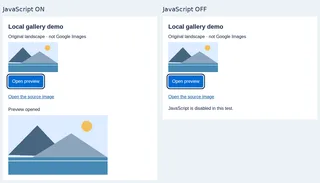
Google Images Not Showing the Full Page? Check Thumbnails, Previews and Filters
Separate missing thumbnails, unresponsive previews, absent full-screen controls and filtered results. Test browser settings one at a time and keep site indexing checks separate.
-
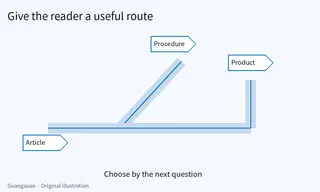
How Many Internal Links Should a Blog Post Have? Choose by Reader Need
There is no universal internal-link quota. Choose useful destinations, write clear anchors, check incoming paths and review repeated links without a link-per-word formula.
-
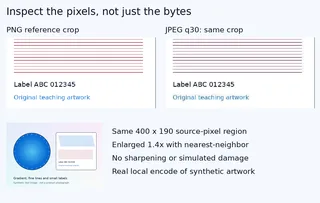
Image Compression for SEO: Formats, Quality Checks and a Worked Example
Choose image formats by their purpose, inspect real compression differences, and verify responsive delivery. Includes a scoped local example with measured file sizes.
-
How to Write Image Alt Text: Examples for Content, Links and Charts
Choose alt text by image purpose. See HTML examples for informative and decorative images, linked icons, logos and charts with accessible data.
-
What Are Rich Results? Eligibility, Structured Data and SEO Measurement
Match structured data to real page content, check current Google feature requirements and distinguish validation from actual search appearance and business results.
-
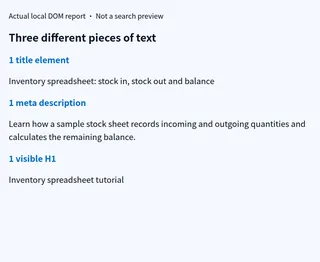
Meta Title and Meta Description: Write, Publish and Check Them Correctly
Understand title tags, descriptions and H1s. Draft accurate metadata, check the published HTML and interpret Google rewrites without fixed-length or CTR guarantees.