客户一句"这批货能走海运到温哥华吗",在加拿大不是承运人一句话就能定的。加拿大把危险品运输单独立法管理,《Transportation of Dangerous Goods Act, 1992》给出禁止性条款与主体责任,《Transportation of Dangerous Goods Regulations》(SOR/2001-286)给出可执行的要求:随车运输单据写什么、锂电要满足哪些测试条件、容器与安全标志怎么做。出口方要按条文准备,而不是按承运人口头确认。
先看法律给的红线
法第 5 条是禁止性条款,把"没有按规定做就不能运"写成了四个并列条件:No person shall import, offer for transport, handle or transport any dangerous goods unless (a) the person complies with all safety requirements and security requirements that apply under the regulations; (b) the goods are accompanied by all documents that are required under the regulations; (c) a means of containment is used for the goods that is required or permitted under the regulations; and (d) the means of containment and means of transport comply with all safety standards that apply under the regulations and display all applicable safety marks in accordance with the regulations. 也就是说合规要求、随附单据、容器与安全标志是同一组条件,缺一项都不能做进口、要约运输、操作或运输。同一章里还有两条与出口方直接相关:第 14 条要求从事上述活动的人 No person shall import, offer for transport, handle or transport dangerous goods, or manufacture or import standardized means of containment, unless the person is financially responsible in accordance with the regulations.,并应在检查员要求时提供财务责任证明;第 5 条还给了检查员的现场权力,inspector 可在任何合理时间拦停运输工具并检查场所与车辆。
运输单据要写什么
条例第 3.5 条第 (1) 款逐项列明运输单据(shipping document)的必填内容:其一,The following information must be included on a shipping document: (a) the name and address of the place of business in Canada of the consignor; 其二,the date on which the shipping document or an electronic copy of it was prepared or was first given to a carrier; 其三是对每种危险品的描述,而且顺序是固定的:a description of each of the dangerous goods to which the shipping document relates that includes the following elements in the following order, without any additional information interspersed unless otherwise provided in these Regulations: (i) the UN number, (ii) the shipping name and, unless it is already part of the shipping name, ...。也就是先写 UN 编号,再写运输名称,废物还要在运输名称前加 "WASTE"(法文对应 " DÉCHET "),中间不得插入其它信息。出口方要提前确认:谁是单据上的加拿大托运人(consignor)、单据是纸面还是电子版、以及每一票货的 UN 编号与运输名称。
锂电池另有专门条件
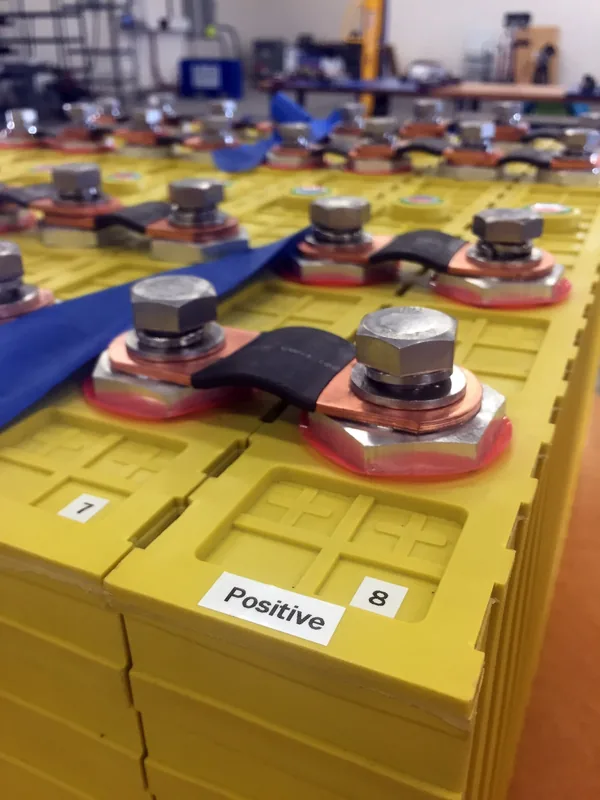
锂电在条例里有单独一节。第 3.1 条第 (1) 款列出了不能按相应运输名称要约运输的四类:UN3090, LITHIUM METAL BATTERIES; UN3091, LITHIUM METAL BATTERIES CONTAINED IN EQUIPMENT or LITHIUM METAL BATTERIES PACKED WITH EQUIPMENT; UN3480, LITHIUM ION BATTERIES; 或 UN3481, LITHIUM ION BATTERIES CONTAINED IN EQUIPMENT or LITHIUM ION BATTERIES PACKED WITH EQUIPMENT。第 (2) 款给出条件,其中第一项是 (a) the cell or battery type meets the applicable test requirements set out in subsection 38.3 of Part III of the Manual of Tests and Criteria; 也就是电芯或电池型号须符合《试验与准则手册》第三部分第 38.3 小节的适用测试要求。出口方要准备的是型号级测试摘要、UN 编号与运输名称的对应关系,以及每票货里电芯、电池组与设备内嵌电池分别按哪一条走。
容器、安全标志与财务责任
前面第 5 条第 (c)、(d) 项把容器与安全标志纳入同一组条件:容器须是条例要求或允许使用的,容器与运输工具要符合适用安全标准,并按规定显示所有适用的安全标志。配合第 14 条的财务责任要求,货代或货主要求的"这票货由谁负责、谁签字"就有了法律落点:加拿大一侧的托运人、承运人、进口商与提供标准容器的制造者各自承担的角色不同,出口方在合同里要写清是谁作为运输单据上的 consignor、谁持有财务责任证明、谁负责安全标志的核验。
出口方要准备哪些资料
落到资料层面,出口方要备四组。第一组是危险品识别资料:每个型号的 UN 编号、运输名称、类别与包装类别,以及是否为废物;第二组是测试与证明文件:锂电池按 38.3 的型号测试摘要,容器与安全标志的符合性文件,以及适用时的财务责任证明;第三组是单据模板:按第 3.5 条第 (1) 款的顺序与内容要求做好的运输单据模板,含加拿大托运人名称地址与单据制作或首次交付承运人的日期;第四组是分工文件:明确由哪一方作为单据抬头、谁核验安全标志、谁在异常时向检查员说明。这些资料要在发货前完成,而不是在码头补做。
资料来源:禁止性条款、容器与安全标志、财务责任与检查权(法第 5、14 条)、运输单据必填内容与顺序(条例第 3.5 条第 (1) 款)、锂电池适用运输名称与测试条件(条例第 3.1 条第 (1)、(2) 款),均引自加拿大 Justice Laws Website 上 Transportation of Dangerous Goods Act, 1992(S.C. 1992, c. 34)(Transportation of Dangerous Goods Act, 1992)与 Transportation of Dangerous Goods Regulations(SOR/2001-286)(Transportation of Dangerous Goods Regulations)的现行官方文本。本文只解读法规文本与出口方可执行的准备动作,不构成法律意见,也不代替持牌危险品运输机构与加拿大主管机关的现场判定。